


Strange noises from your car and what they mean
Why strange noises deserve your attention
Your car talks to you. A new knock, squeal or rumble is its way of saying something needs looking at. On UK roads, with our potholes, speed bumps and patchwork surfaces, suspension and brake components take a proper beating. Catching a noise early often means a cheap fix; ignoring it can turn a worn drop link into a wrecked tyre or a brake pad into a scored disc. The good news is that most noises have a handful of likely causes – and you can diagnose many of them from the driver's seat.
Knocking and clunking over bumps
If you hear a dull knock or clunk when you go over a pothole or speed bump, the suspension is the usual suspect. Common culprits include worn anti-roll bar drop links, perished anti-roll bar bushes, tired shock absorbers, worn top mounts, or a loose exhaust. On our roads, these parts work hard every day.
- Drop links: cheap to replace and a common MOT advisory. A light metallic knock over small bumps is typical.
- Anti-roll bar bushes: rubber perishes with age, causing a knock over uneven ground.
- Shock absorbers: if the car feels floaty or bounces more than once after a push, they are tired.
- Exhaust mounts: a knock that sounds like it is under the boot floor, especially when cold.
Test it yourself: push down firmly on each corner of the car. It should rebound once and settle. More than one bounce means worn dampers. Ask your garage to check for play with a pry bar. If you are buying a used car, take it over a rough road on the test drive and listen with the radio off.
Squealing under braking
A high-pitched squeal when you press the brake pedal almost always means the brake pads are nearing the end of their life. Many pads have a small metal wear indicator that deliberately squeals against the disc to warn you. If the squeal stops when you release the pedal, that is a classic sign.
Other possibilities include glazed pads from overheating, scored discs, or a sticking caliper. A squeal that happens when you are not braking could be a worn auxiliary belt, a dry wheel bearing, or a brake disc backing plate rubbing. Do not ignore it. Brakes are a safety item, so book a check. A garage can measure pad thickness and disc condition. Replace pads in pairs, and if discs are scored or below minimum thickness, they need replacing too. When buying, ask when the brakes were last done and check for a squeal on a test drive.
Grinding, scraping and rumbling
Grinding is a red alert. If you hear a metal-on-metal grind when braking, your brake pads are likely worn through to the backing plate. Every mile you drive is damaging the discs. Stop driving and get it looked at.
A scrape that changes with speed could be a loose undertray, a heat shield, or a stone trapped between the disc and the shield. A rumble that rises with road speed and changes when you turn the steering wheel often points to a wheel bearing. On a front-wheel-drive car, a worn bearing may hum louder on one side when you corner.
- Brake grind: urgent – new pads and possibly discs.
- Wheel bearing: a drone or rumble that gets worse with speed. Replace it before it fails.
- Heat shield: a tinny scrape at idle or over bumps. Often a cheap fix.
Rattling, humming and droning
Rattles can be harmless or a sign of something loose. Common sources include exhaust heat shields, loose exhaust brackets, interior trim, a rattle from the boot, or worn catalytic converter internals. A hum or drone that follows engine speed may be an exhaust blow or a failing bearing in an auxiliary pulley.
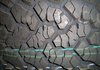
A hum that follows road speed is usually tyres or wheel bearings. Check tyre pressures and look for uneven wear – cupping or scalloping on the inner or outer edge. On UK roads, potholes can knock wheel alignment out, causing a drone and rapid tyre wear. If the noise changes when you press the clutch or select neutral, it may be gearbox or clutch related. A garage can road test with you and use a stethoscope to pinpoint the source.
What to do next – and what to check when buying
When you hear a new noise, note three things: when it happens (braking, turning, over bumps), where it seems to come from, and whether it changes with speed or engine revs. This helps your mechanic diagnose it quickly. Do not be tempted to turn up the radio. Small noises often become big bills. A £20 drop link today can save a £200 suspension job later. For brakes, never delay.
If you are buying a used car, a noisy test drive is your best negotiation tool. Before you buy:
- Test drive over rough roads and speed bumps with the radio off.
- Brake firmly from 30 mph – listen for squeals or grinds.
- Turn the steering fully left and right at low speed – listen for clicking or knocking (CV joints).
- Check tyre wear patterns and ask when the cambelt, brakes and suspension were last replaced.
- Pay for a pre-purchase inspection if you are not confident. It is money well spent.
Finally, regular maintenance is the best defence. Keep up with servicing, check tyre pressures monthly, and replace worn parts before they fail. Your car will reward you with a quieter, safer drive – and your wallet will thank you at MOT time.


Buying Guide
-
Ask a helper to test headlights, indicators, brake lights, and fog lamps, replacing any failed bulbs before the inspection.


Repairs

-

Long established fact that a reader will be distracted
-

Long established fact that a reader will be distracted
-

Long established fact that a reader will be distracted



Maintenance
Karla Gleichauf
12 May 2017 at 05:28 pm
On the other hand, we denounce with righteous indignation and dislike men who are so beguiled and demoralized by the charms of pleasure of the moment
M Shyamalan
12 May 2017 at 05:28 pm
On the other hand, we denounce with righteous indignation and dislike men who are so beguiled and demoralized by the charms of pleasure of the moment
Liz Montano
12 May 2017 at 05:28 pm
On the other hand, we denounce with righteous indignation and dislike men who are so beguiled and demoralized by the charms of pleasure of the moment