

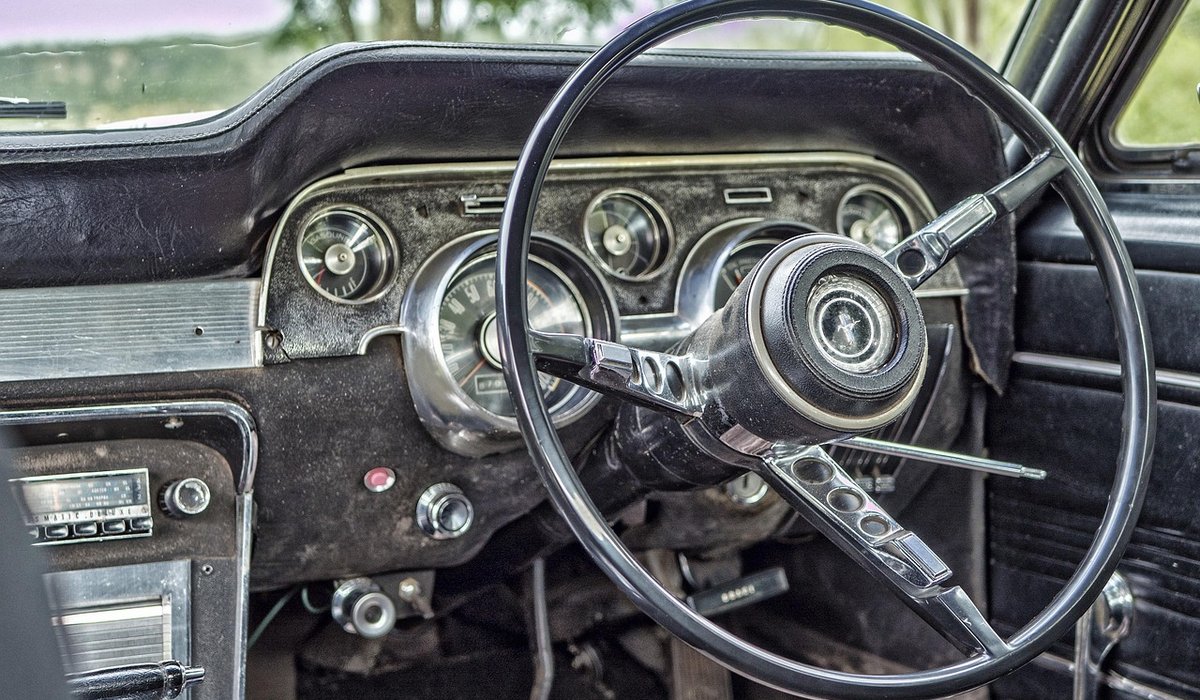
Driving habits that improve your fuel economy
Why the way you drive matters so much
Every litre of fuel you burn is doing one of two things: moving your car forward, or being wasted. The wasted portion is where most drivers can make easy savings. Harsh acceleration, late braking, cruising at 80mph instead of 70, and a boot full of things you have not used since 2019 all quietly drain your tank without you noticing.
The good news is that the fixes cost nothing and take no mechanical skill. Fuel economy is far more about habits than horsepower. Most drivers who consciously smooth out their driving see somewhere between 10% and 20% better fuel consumption within a couple of weeks — which on a typical family car could be £200 or more a year.
Accelerate smoothly and change up early
The single biggest waste in everyday driving is heavy acceleration followed by heavy braking. You have paid for the momentum, then thrown it away at the next set of lights.
- Build speed progressively rather than stamping on the accelerator. Aim to reach your target speed in a reasonably brisk but even manner — dawdling is not the goal, jerky is.
- Change up early. In a petrol car, aim to be in the next gear by around 2,000rpm; in a diesel, nearer 1,500 to 2,000rpm. Modern engines pull happily at low revs.
- Do not labour the engine either. If it feels rough or you need a lot of throttle to hold speed, drop down a gear.
- Use the gearshift indicator if your car has one. It is there for exactly this reason.
On a manual car, block-changing is fine — fifth to third for a roundabout, for instance — as long as you match the revs and stay in control. Smoothness is the point, not strict sequential shifting.
Keep a steady speed and read the road ahead
Constant speed is efficient speed. Every time you slow down and speed up again, you burn fuel you did not need to burn.
Look as far ahead as you can and anticipate. If you can see traffic queueing at a roundabout, lift off the throttle early and let the car roll down towards it rather than racing up and braking hard. On a motorway, maintain a consistent speed and leave a generous gap so you are not constantly adjusting to the car in front. If your car has cruise control, it works well on steady motorway runs, though it can be less economical on undulating roads than a driver who eases off downhill and picks up speed gently on the climb.
Speed itself matters enormously. Aerodynamic drag rises with the square of your speed, so pushing from 70mph to 80mph can cost you well over 10% in fuel — and it is illegal, expensive, and rarely saves more than a few minutes on a typical journey.
Check your tyres — pressure and alignment
Under-inflated tyres are one of the most common causes of poor fuel economy, and one of the easiest things to put right.
- Check pressures at least once a month and before any long trip, when the tyres are cold — meaning the car has been parked for a few hours or driven less than a mile or two.
- Find the correct figures on the sticker inside the driver's door pillar or on the fuel filler flap. Ignore the maximum pressure moulded into the tyre sidewall; that is a limit, not a recommendation.
- Remember to adjust for load. Many cars list a higher rear pressure for a full boot and passengers.
- Check the spare or inflation kit while you are at it.
A tyre running 10psi below specification can increase fuel consumption by roughly 2–3%, and it wears out faster and grips poorly in the wet. Uneven wear across the tread usually points to misaligned suspension, which also drags and scrubs fuel away. A wheel alignment check is inexpensive and often pays for itself.
Lighten the load and cut the drag
Weight costs fuel. Every extra 50kg in the boot nudges consumption up by around 1–2%, so clear out the clutter you have been carrying around for months: the boxes of books, the tools you never use, the crate of bottles waiting to go to the tip.
Aerodynamics matter just as much, especially at speed. Roof bars left on the car "just in case" can add up to 10% to your fuel bill on a motorway run. Roof boxes and bike racks are worse. If you are not using them, take them off — it takes five minutes and is one of the highest-value changes you can make. On hot days, opening windows at low speeds is more efficient than air conditioning, but above roughly 50mph the extra drag from open windows outweighs the benefit, so use the air con instead.
Switch off, plan ahead, and keep the car healthy
Idling gets you precisely nowhere while burning fuel at the rate of roughly half a litre an hour in a typical car. Modern engines do not need to be warmed up on the driveway. If you are going to be stationary for more than a minute — waiting at a level crossing, parked outside a school — switch the engine off, and use stop-start technology if your car has it.
Short journeys are the thirstiest of all, because a cold engine uses noticeably more fuel until it reaches operating temperature. Combining several errands into one trip, so the engine stays warm, beats making four separate cold-start runs. Keep up with servicing too: a clogged air filter, tired spark plugs, a binding brake or the wrong grade of oil can all quietly undo your good driving. Allocate a few pounds from your fuel savings to a decent tyre pressure gauge kept in the glovebox. Checking it takes two minutes at the petrol station, and it is the cheapest fuel-saving habit there is.


Buying Guide
-
Air conditioning uses engine power and can raise fuel use, especially at low speeds, though open windows also create drag.

Repairs




-

Long established fact that a reader will be distracted
-

Long established fact that a reader will be distracted
-

Long established fact that a reader will be distracted




Maintenance
Karla Gleichauf
12 May 2017 at 05:28 pm
On the other hand, we denounce with righteous indignation and dislike men who are so beguiled and demoralized by the charms of pleasure of the moment
M Shyamalan
12 May 2017 at 05:28 pm
On the other hand, we denounce with righteous indignation and dislike men who are so beguiled and demoralized by the charms of pleasure of the moment
Liz Montano
12 May 2017 at 05:28 pm
On the other hand, we denounce with righteous indignation and dislike men who are so beguiled and demoralized by the charms of pleasure of the moment