

How to inspect a used car before purchase
Before you set off
Viewing a used car is far easier when you arrive prepared. Ask the seller to leave the engine cold, so you can hear how it starts from scratch, and arrange to see the car in daylight. Artificial light hides dents, swirl marks and mismatched paint, while rain masks leaks and tired tyres.
Bring a torch, a rag, a tyre tread gauge and a 20p coin — its outer rim is roughly 3mm, a handy tread guide. Before you travel, check the government's online MOT history checker for advisories, mileage records and past failures. A car that failed on corrosion two years ago deserves a very close look underneath.
- Ask for the V5C, MOT certificate and service records before you leave home.
- Check the mileage against previous MOT records for consistency.
- Never send a deposit before viewing the car in person — and if you can, view it at the seller's home. How they keep the driveway often mirrors how they kept the car.
Service history and paperwork
A stamped service book is a good start, but invoices tell the real story. Look for a full set with dates and mileages that add up, and don't be fobbed off with "it's all online" without seeing printouts.
- Cambelt or timing chain: find out when it was last changed. Intervals vary from 40,000 to 100,000 miles, or five to ten years. A snapped belt can write off an engine, so budget for it if there's no proof.
- Mileage: cross-check service invoices against MOT records. A 70,000-mile car with a 30,000-mile service gap needs questions answered.
- V5C: check the keeper count, the address, and that the VIN on the document matches the plate under the bonnet and the one visible through the windscreen.
- Finance: run an independent vehicle history check to confirm the car isn't still on finance, stolen or written off. If money is owed, the finance company can reclaim the car — even from you.
Bodywork and panels
Walk around the car slowly and look along the sides at a low angle. Ripples, shadows and wavy reflections suggest filler or a respray. Check panel gaps between the bonnet, wings, doors and boot — they should be even and consistent on both sides.
- Look for overspray on rubber seals, plastic trim and window edges. Masking lines are a giveaway.
- Use a magnet on steel panels; it won't stick to thick filler. Remember that aluminium and plastic panels won't attract a magnet anyway.
- Check for rust in the usual places: wheel arches, sills, boot floor, suspension mounts and around the windscreen. Small bubbles today become holes next year.
- Inspect the windscreen for chips, especially in the driver's swept area — a chip over 10mm in the wiper zone is an MOT failure.
Tyres, wheels and under the bonnet
Tyres are your only contact with the road, so give them proper attention. The legal minimum tread depth in the UK is 1.6mm across the central three-quarters of the tyre, but 3mm is a sensible replacement point for wet weather. Check the inner edges too — they wear faster and are easy to miss.
- Date codes: look for a four-digit code on the sidewall, such as 2319 for the 23rd week of 2019. Tyres over six to eight years old should be replaced regardless of tread.
- Uneven wear: worn outer or inner edges suggest tracking or suspension problems. A mismatched set of cheap tyres can hide a bigger issue.
- Oil and coolant: the oil on the dipstick should be amber-brown, not black sludge or milky mayonnaise — the latter can mean a head gasket failure. Check for oil in the coolant or bubbles in the expansion tank.
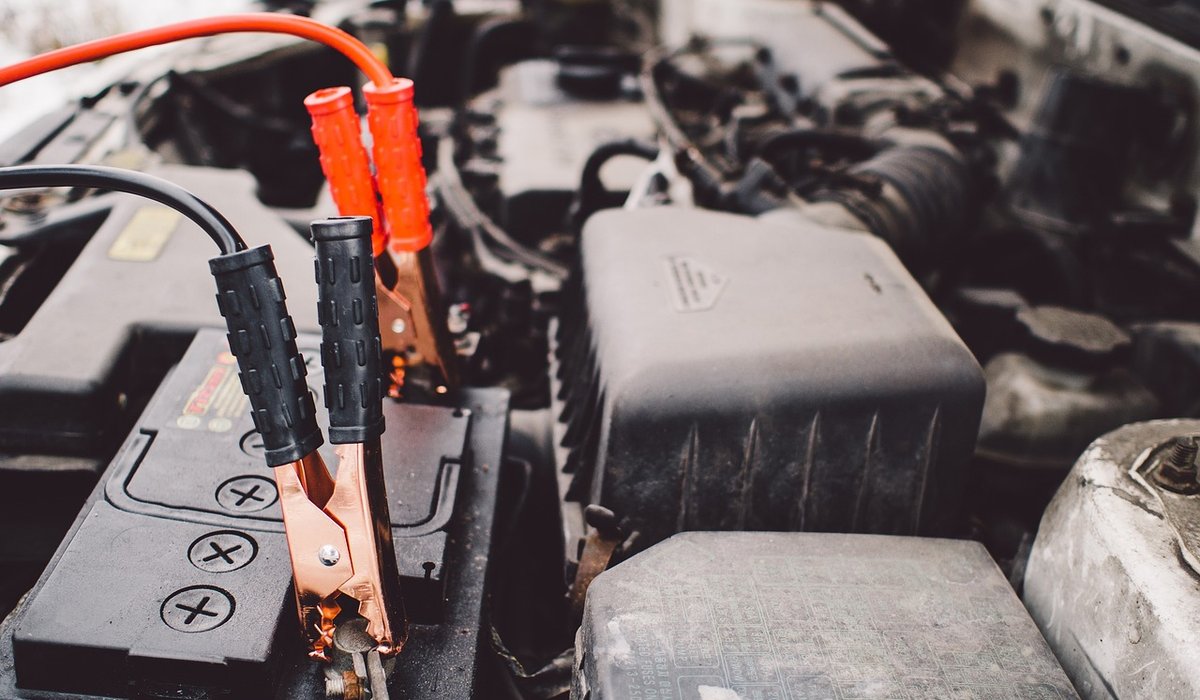
- Look for leaks, cracked belts and corroded battery terminals. Start the engine from cold and listen for rattles. Blue smoke suggests oil burning; thick white smoke can mean coolant is entering the cylinders.
Inside the cabin
Sit in the driver's seat and check that the wear matches the mileage. A 40,000-mile car shouldn't have a collapsed seat bolster, a shiny-smooth steering wheel or pedals worn through to the metal.
- Turn the ignition on and confirm all warning lights illuminate, then go out once the engine starts. A missing bulb or a light that stays on is a red flag.
- Test every electric: windows, mirrors, central locking, radio, heater and air conditioning. The air con should blow cold within a minute or two.
- Check for a damp smell or misty windows. Lift the boot floor and carpets for water, and look for rust around the spare wheel well.
The test drive and agreeing a price
Never buy a car without driving it. Insist on at least 20 minutes on varied roads: town streets, B roads with some bumps, and a dual carriageway or motorway. Start the engine from cold and listen for the first 30 seconds — rattles, tapping and whines are easier to hear before everything warms up.
- Clutch and gearbox: the bite point should be smooth, with no crunching into second or third. A slipping clutch will show up under acceleration uphill.
- Brakes: the car shouldn't pull to one side or grind. Test the handbrake on a slope.
- Steering and suspension: look for vibration at speed, wandering, or clunks over speed bumps.
- After the drive, park on clean tarmac and check underneath for fresh drips. Feel each wheel — one much hotter than the others may have a dragging brake.
Use what you've found to negotiate. Get quotes for any work needed — tyres, cambelt, a service, brake discs — and subtract a fair amount from the asking price. Be polite but firm, and be ready to walk away. There are plenty of cars for sale, and the best deal is the one you don't regret.


Buying Guide
-
Always ask about accident damage, cambelt changes, MOT advisories, and previous owners to avoid unexpected repair bills later.


Repairs



-

Long established fact that a reader will be distracted
-

Long established fact that a reader will be distracted
-

Long established fact that a reader will be distracted




Maintenance
Karla Gleichauf
12 May 2017 at 05:28 pm
On the other hand, we denounce with righteous indignation and dislike men who are so beguiled and demoralized by the charms of pleasure of the moment
M Shyamalan
12 May 2017 at 05:28 pm
On the other hand, we denounce with righteous indignation and dislike men who are so beguiled and demoralized by the charms of pleasure of the moment
Liz Montano
12 May 2017 at 05:28 pm
On the other hand, we denounce with righteous indignation and dislike men who are so beguiled and demoralized by the charms of pleasure of the moment