

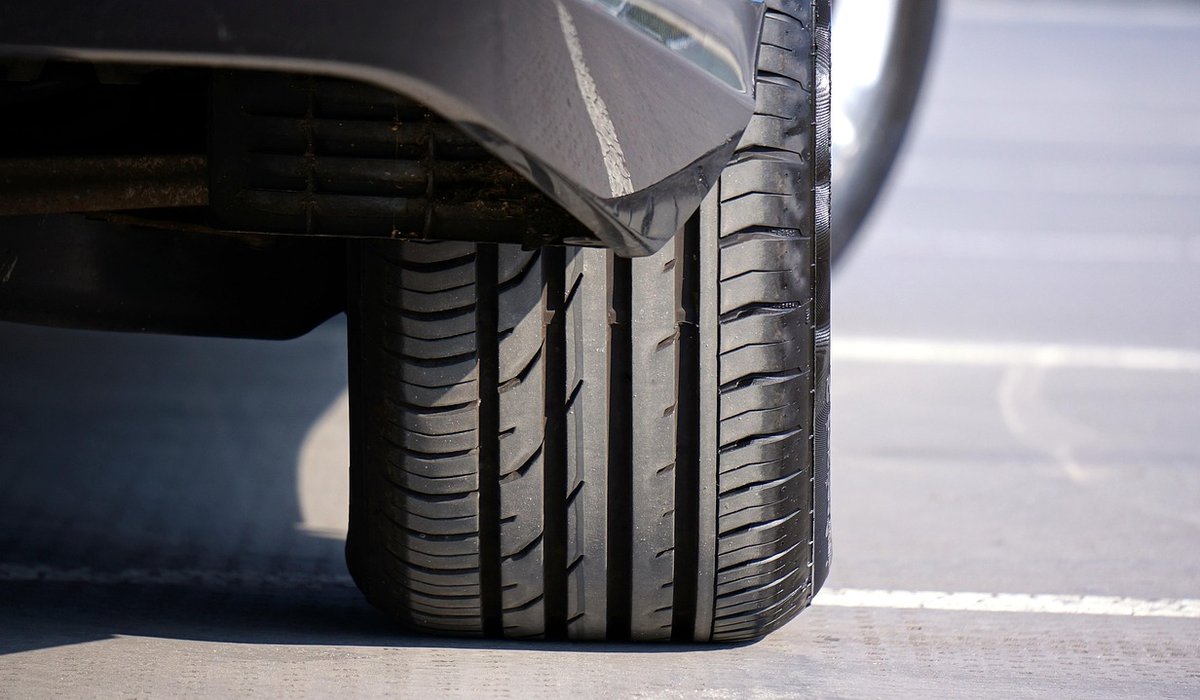
Choosing between petrol and diesel for used cars
Why this decision still matters
Walk onto any used forecourt and you'll find two near-identical cars sitting side by side, one petrol and one diesel. The badges look the same, the price tags are often close, and yet the wrong choice can cost you hundreds of pounds a year and a great deal of frustration. Diesel has fallen out of fashion in recent years, and that has opened up some genuine bargains — but only for the right driver. Get it wrong and you'll be paying premium prices for fuel, servicing and repairs that your journeys simply don't justify.
There's no universal answer here. What suits a sales rep covering motorway miles is a poor match for someone doing the school run and a weekly shop. The trick is to work out what your driving actually looks like, rather than what you'd like it to look like.
Start with your annual mileage
Mileage is the single most useful number you can put on paper. Dig out your last MOT certificate or service invoice — the recorded mileage will tell you exactly what you've been doing, rather than guessing.
- Under 8,000 miles a year: petrol almost always wins. The fuel savings from a diesel won't cover its higher purchase price, dearer servicing or the risk of costly emissions-related repairs.
- 8,000 to 15,000 miles a year: genuinely borderline. Look hard at your journey types before deciding.
- Over 15,000 miles a year: diesel starts to make financial sense, particularly if most of those miles are longer runs.
It's worth doing the arithmetic properly. Say petrol is around 145p a litre and diesel around 155p. A petrol car returning 40 mpg over 12,000 miles uses roughly 1,360 litres, costing about £1,975. A diesel returning 55 mpg uses around 990 litres, costing about £1,535. That's a saving of around £440 a year — real money, but it shrinks fast if a diesel-specific component fails.
Journey type matters more than mileage
Modern diesels are fitted with a diesel particulate filter (DPF) that burns off trapped soot during sustained higher-speed running. Short, cold, stop-start trips never generate the heat needed for that process, so the filter clogs. Warning lights appear, the car enters limp mode, and you're facing a forced regeneration or a replacement filter costing four figures.
Diesel engines also take longer to warm through, which means more wear on cold starts, more fuel used on short hops, and greater strain on components such as the EGR valve. If your typical week is made up of three-mile trips to the shops, a diesel will be working against you constantly.
Petrol engines handle short journeys better, warm up faster and generally cost less to maintain. If you do a mix — a few short trips plus a decent motorway run every couple of weeks — you're in the grey area where either could work, but the petrol car carries less risk.
Look beyond the pump price
Fuel is only part of the running cost picture, and it's the part most buyers focus on far too heavily.
- Servicing: diesels often need more frequent oil changes and pricier filters.
- Emissions hardware: DPFs, EGR valves, AdBlue systems and injectors are all expensive when they fail.
- Clutch and flywheel: diesel torque is hard on dual-mass flywheels, a common and costly repair.
- Road tax: rates vary by CO2 band for cars registered before April 2017, then by a flat rate with a premium for more expensive models.
- Insurance and tyres: usually similar, but check quotes before you commit.
Diesel's traditional advantage was durability at high mileage. That still holds for well-maintained motorway cars, but a neglected diesel with 120,000 miles of town driving is a very different proposition from one that has cruised the M6.
Resale values and clean air zones
New diesel sales have dropped sharply, and demand in the used market has softened alongside them. That means two things. First, you can negotiate hard on a used diesel, especially a larger saloon or estate. Second, you should expect that discount to be reflected when you sell it on.
If you live or drive near a clean air zone, check the emissions standard before buying. Most Euro 6 diesels — broadly those registered from around September 2015 — meet the requirement, while petrol cars generally need Euro 4, which covers most from 2005 onwards. Getting this wrong could mean a daily charge or, worse, an unusable car.
A quick checklist before you commit
- Add up your real annual mileage from MOT records, not memory.
- Count your long journeys. If you rarely exceed 20 minutes at speed, avoid diesel.
- Ask for the service history and check it's complete, with evidence of DPF-friendly driving if diesel.
- Get an insurance and road tax quote for the exact model before agreeing a price.
- Have a pre-purchase inspection carried out on any diesel over 80,000 miles.
- Test drive from cold and watch for warning lights, smoke or hesitation.
Buy the engine that suits your life rather than the one with the best headline figure on the forecourt sticker. If you're a high-mileage motorway driver, a well-kept diesel remains a superb, economical companion. If your driving is short, local and gentle, a petrol car will be cheaper, simpler and far less likely to land you with an unpleasant bill. Match the car to the journeys, and you'll be happy with your choice long after the novelty of the purchase has worn off.


Buying Guide
-
Wait until the engine is cold, inspect the reservoir level, and add the correct coolant mixture to prevent overheating and frost damage.

Repairs




-

Long established fact that a reader will be distracted
-

Long established fact that a reader will be distracted
-

Long established fact that a reader will be distracted




Maintenance
Karla Gleichauf
12 May 2017 at 05:28 pm
On the other hand, we denounce with righteous indignation and dislike men who are so beguiled and demoralized by the charms of pleasure of the moment
M Shyamalan
12 May 2017 at 05:28 pm
On the other hand, we denounce with righteous indignation and dislike men who are so beguiled and demoralized by the charms of pleasure of the moment
Liz Montano
12 May 2017 at 05:28 pm
On the other hand, we denounce with righteous indignation and dislike men who are so beguiled and demoralized by the charms of pleasure of the moment